
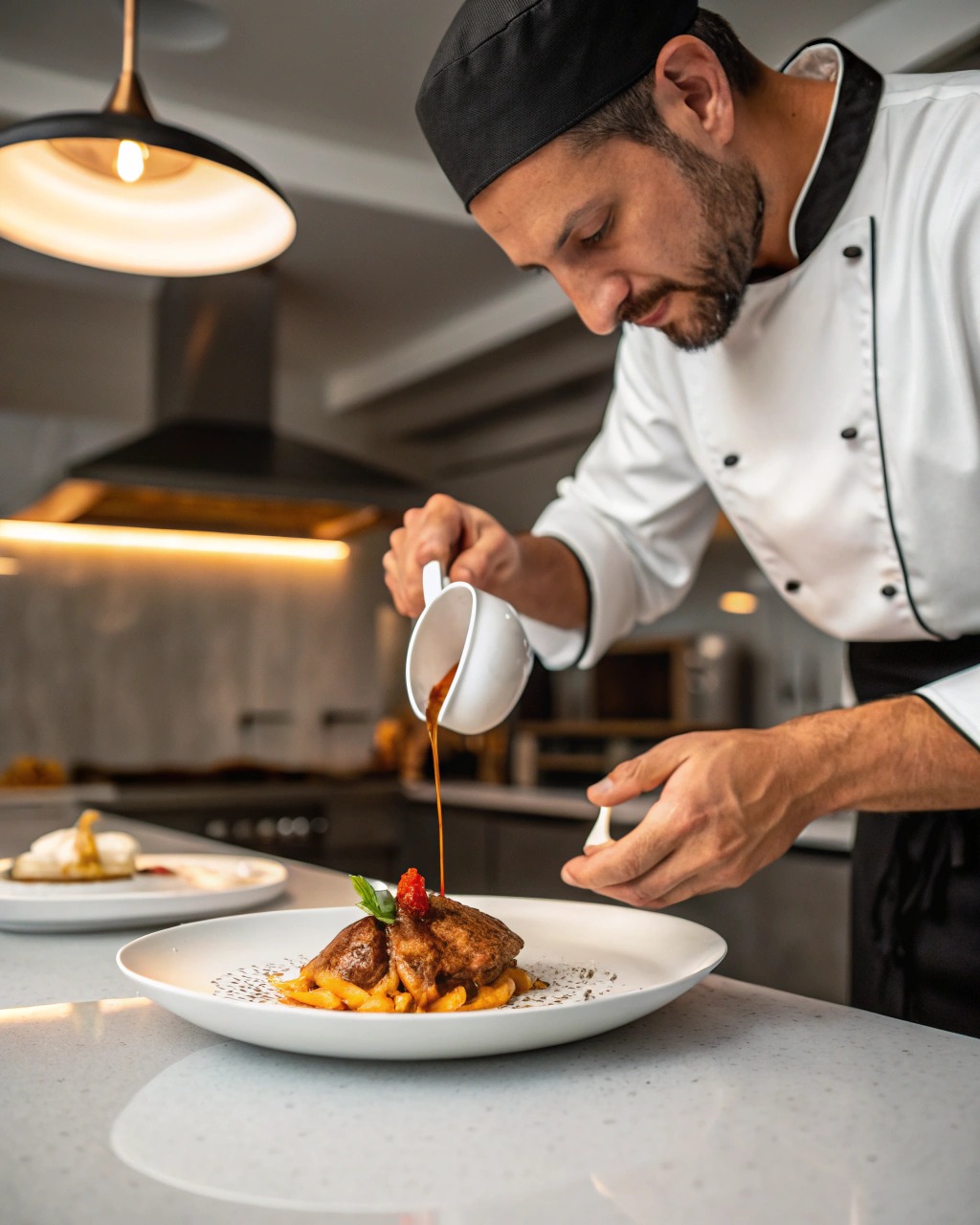
Being a culinary arts student in hotel management, it is essential to have a portfolio that reflects your creativity, skills, and talents. A good culinary portfolio not only makes you stand out to employers but also an instrument to look back on your progress as you establish your career in the culinary industry.
Your portfolio should tell the story of your culinary journey. Include photographs of your dishes, recipes you’ve developed, and any special techniques you’ve mastered. This can be a digital portfolio or a physical one, depending on what best showcases your work. Keep everything organized by category (appetizers, main courses, desserts, etc.) so it’s easy to navigate.
Pick only your best offerings to include in your portfolio. Quality is far more important than quantity. Be sure to represent a variety of cooking techniques through the dishes that you include. This will exhibit your versatility in the kitchen as a chef. If you’re taking part in a culinary arts diploma for students of a hotel management program, utilize projects or dinners that you designed as part of your course study or internship tasks.
Employers adore food professionals who think outside the box and create something new. If you’ve made a signature dish or added a new twist to an old favorite recipe, highlight it in your portfolio. You could also include a section for special projects or challenges you’ve taken on yourself, like crafting a custom tasting menu or experimenting with cuisine from another culture.
Along with your recipes and dishes, add any real-world experience you may have. If you’ve worked in a local restaurant, competed in a cooking contest, or volunteered at a food festival, real-world experience cannot be beat in the culinary world. If you’ve taken an international culinary program in hotel management, add any international experience or internships where you learned about global culinary habits..
A good portfolio not only displays your culinary expertise but also indicates how well you know food and beverage management. Employers need to know that you are aware of the day-to-day operations of the kitchen. Add any knowledge of cost control, inventory management, and teamwork within your portfolio. If you have specialized in food and beverage management with a culinary emphasis, emphasize any coursework or projects that you have undertaken.
Your portfolio must be professionally and cleanly designed. If your portfolio is digital, make sure it is easy to use, with clear photos and descriptions of your work. A clean, well-presented portfolio says a lot about your attention to detail and professionalism in the kitchen.
A well-designed culinary portfolio is an effective weapon in the competitive hospitality industry. Whether you’re beginning your career or seeking to hone your skills, Culinary portfolio tips for hotel management students.
Our courses provide hands-on experience and intensive study, setting you up for jobs in some of the world’s best hotels and restaurants.
To know more about culinary arts, talk to our expert to learn more about our hotel management course, or have a free career counselling +91 8893100700.






 contact@iamtglobal.com
 +918893100700